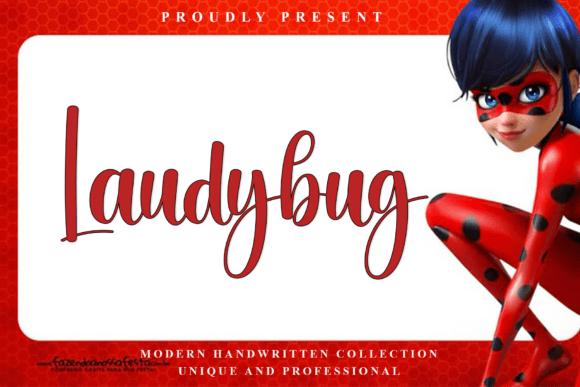
Laudybug Font Review for Makers and Designers
There is a specific moment in the design process that every maker knows well. You have finalized your product, perhaps a hand-poured soy candle or a set of minimalist wedding invitations, and you are searching for that final typographic element to tie the visual identity together. This is where Laudybug enters the conversation as a compelling choice among modern Script Handwritten Fonts. As a creator who regularly tests typography on real-world materials, from kraft paper tags to glossy sticker sheets, I found that Laudybug offers a distinct balance of professionalism and airy elegance. It is not just another decorative typeface; it is a tool designed to evoke clarity while maintaining the warmth of a human touch.
Creating Elegant Candle Labels with Laudybug Typography
When working with small-batch home goods, such as artisanal candles or boutique skincare items, the label serves as the primary interface between the brand and the customer. Laudybug shines in this application because of its structural integrity. Many Script Handwritten Fonts suffer from excessive flourishes that can become illegible when scaled down to a two-inch diameter jar label. However, Laudybug features tall, thin strokes with a subtle, airy slant that maintains readability even at smaller sizes. In my testing, I applied the font to a minimalist matte label for a lavender-scented candle. The crisp elegance of the typeface allowed the product name to stand out without competing with the essential information, such as scent notes and weight. The result was a premium look that elevated the perceived value of the handmade item, proving that Laudybug is a unique and professional entry into the modern handwritten collection.
Designing Wedding Invitations and Stationery with Script Fonts
Wedding stationery demands a typeface that can carry emotional weight without feeling overly ornate or dated. Laudybug fits seamlessly into this niche, offering a contemporary alternative to traditional calligraphy scripts. When designing a suite of wedding invitations, I used Laudybug for the couple’s names and key headers, pairing it with a clean, lightweight sans serif font for the body text. This combination created a sophisticated hierarchy that guided the eye naturally across the card. The airy slant of Laudybug adds a sense of movement and grace, which is particularly effective on high-quality cardstock where the texture of the paper complements the thin strokes of the font. For makers who create custom invitation templates or printable wall art, this font provides the flexibility to adjust tracking and size while retaining its delicate charm. It avoids the heaviness of some bold scripts, making it ideal for designs that aim for a light, breathable aesthetic.
Optimizing Readability for Stickers and Product Tags
One of the most practical challenges for sellers of physical goods is ensuring that decorative fonts remain legible on small formats like die-cut stickers and hang tags. Laudybug has been tested extensively in these scenarios, revealing its strength as a functional display font. Because the strokes are thin and consistent, the font cuts cleanly on digital cutting machines like Cricut or Silhouette, provided the material is suitable for fine details. When creating a sheet of branding stickers for a small business, I found that Laudybug worked best for short phrases, brand names, or single words rather than long sentences. The clarity of the letterforms ensures that the message is received instantly, which is crucial for packaging where customers may only glance at the tag for a second. However, it is important to note that for very tiny applications, such as ingredient lists or legal disclaimers, a simpler sans serif font should be used to ensure compliance and readability. Laudybug is best reserved for the decorative elements that capture attention and convey brand personality.
Pairing Laudybug with Modern Typography for Brand Identity
A successful brand identity often relies on the harmony between different typefaces. Laudybug, as a Script Handwritten Fonts option, pairs exceptionally well with neutral, geometric sans serifs or classic serifs with low contrast. In my recent work on a tote bag design for a local bookstore, I combined Laudybug with a sturdy, medium-weight sans serif. The contrast between the airy, slanted script and the solid, upright supporting text created a dynamic yet balanced composition. This approach is highly effective for social media graphics, web design headers, and editorial layouts where visual interest is key. The unique and professional nature of Laudybug allows it to serve as the focal point of a design, drawing the viewer’s eye to the most important message. By keeping the surrounding elements simple, designers can let the crisp elegance of the font speak for itself, enhancing the overall aesthetic of the project without overwhelming the viewer.
Commercial Licensing and Best Practices for Craft Sellers
For handmade sellers and printable creators, understanding the technical and legal aspects of font usage is as important as the visual appeal. Before incorporating Laudybug into commercial products such as mugs, shirts, or digital downloads, it is essential to review the specific licensing agreement included with the font file. Most professional font providers offer clear guidelines on what constitutes personal versus commercial use, including limits on the number of physical items sold or requirements for extended licenses for large-scale production. Additionally, checking the included file formats—such as OTF, TTF, or web fonts—ensures compatibility with various design software and platforms. When using Laudybug for cut files, converting the text to outlines or paths can prevent rendering issues and ensure that the tall, thin strokes remain intact during the cutting process. By adhering to these best practices, creators can confidently use Laudybug to enhance their product lines, knowing that they are leveraging a high-quality, professional asset that supports both creative expression and business growth.